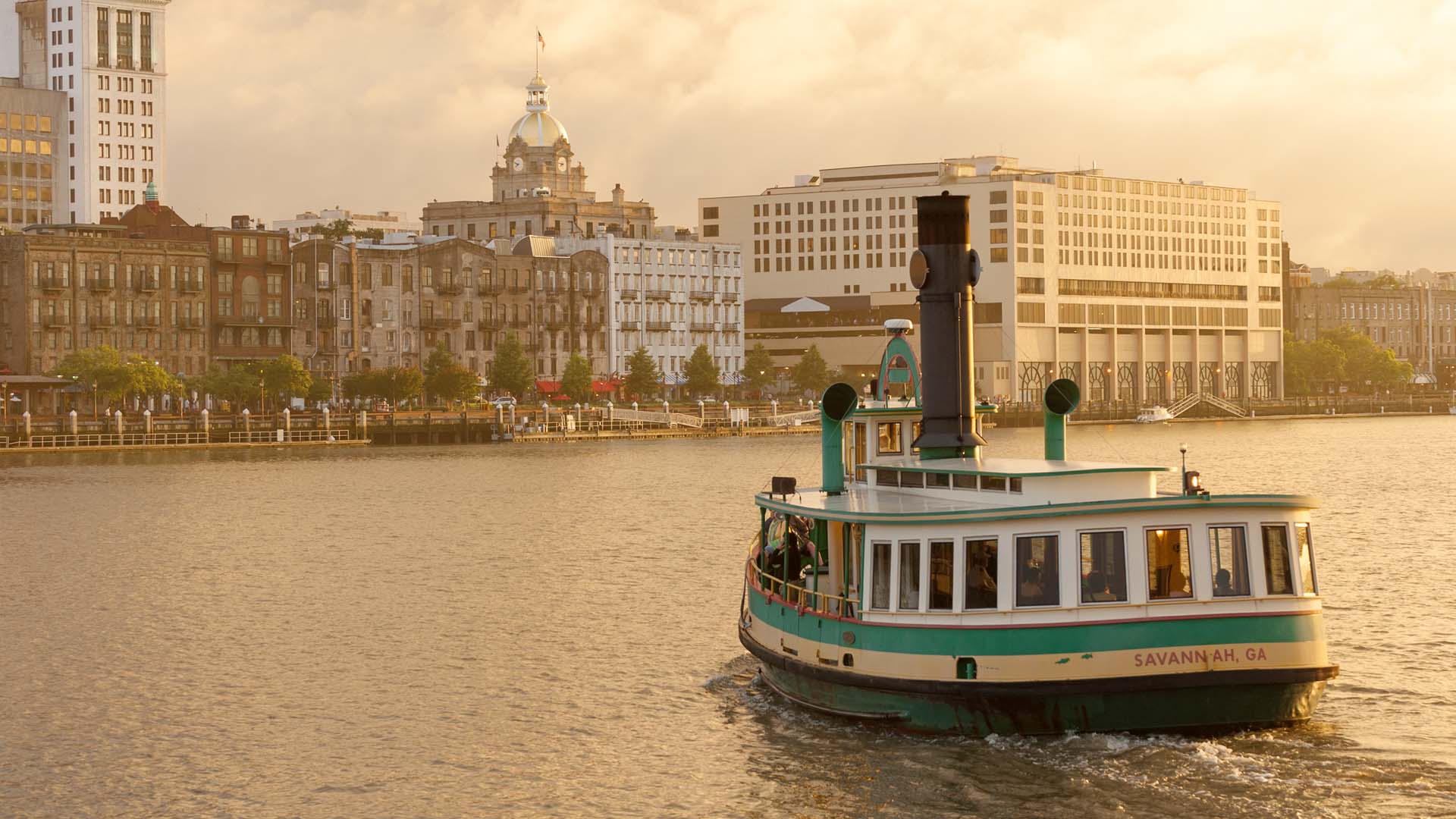
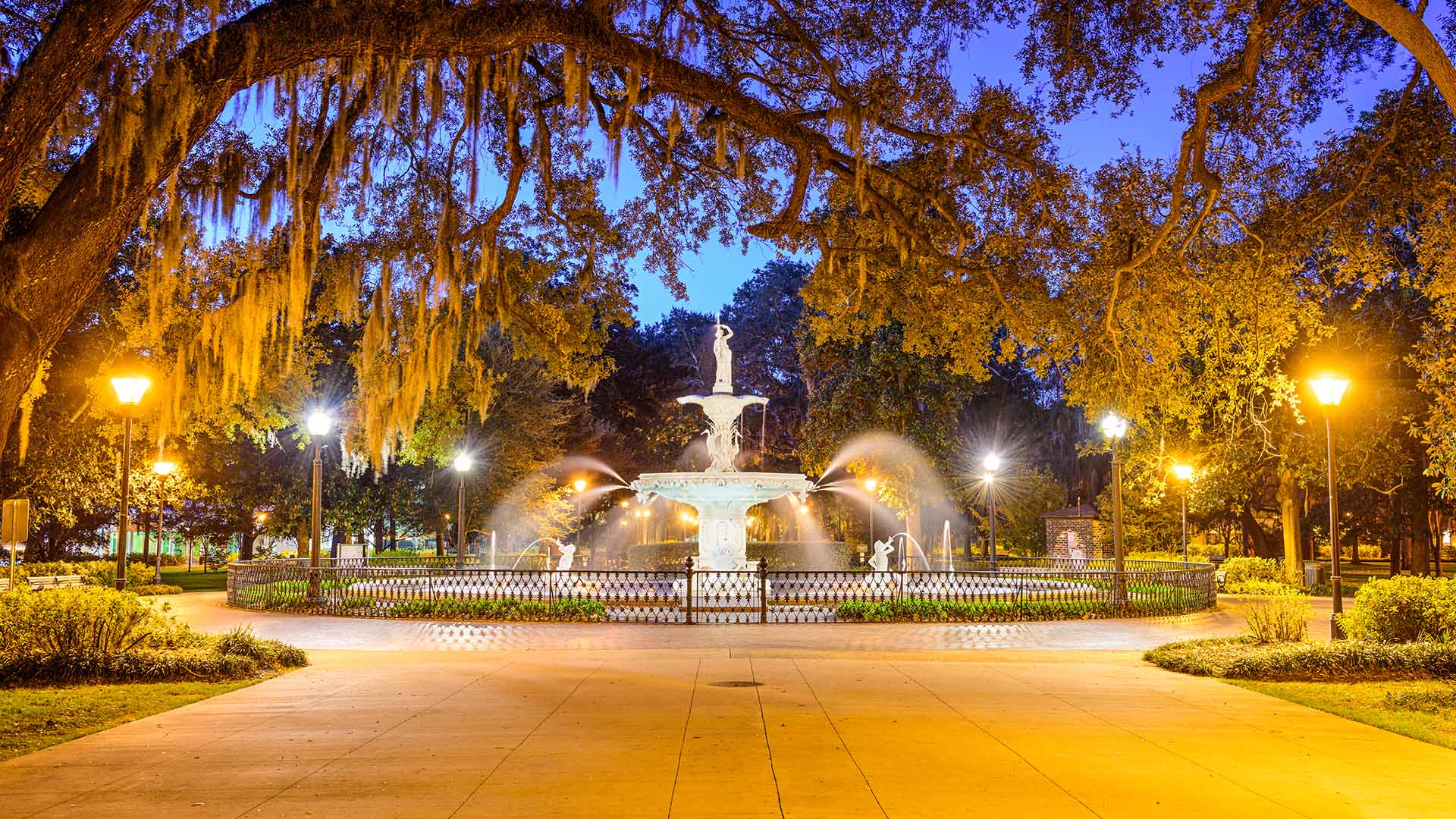
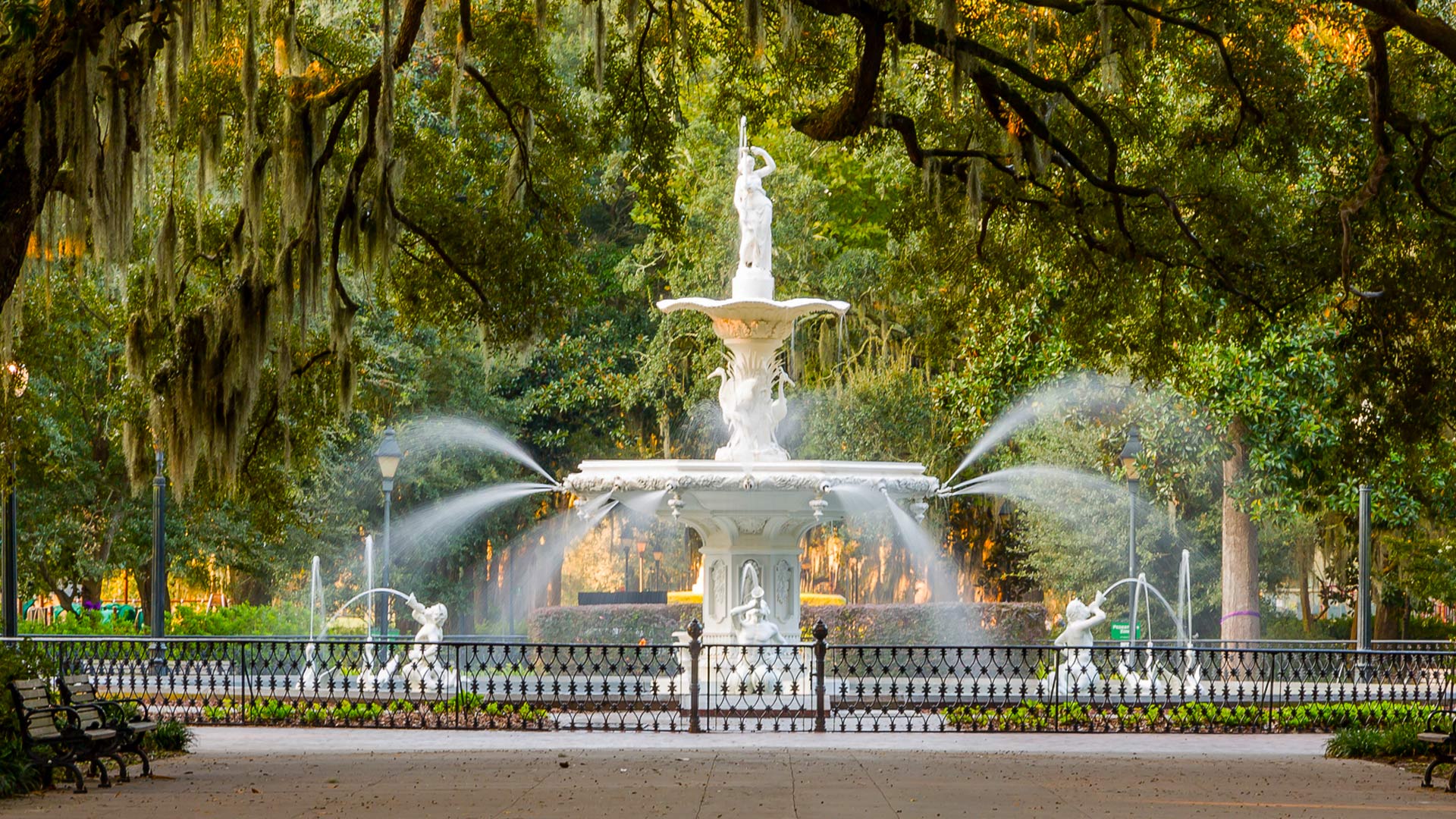
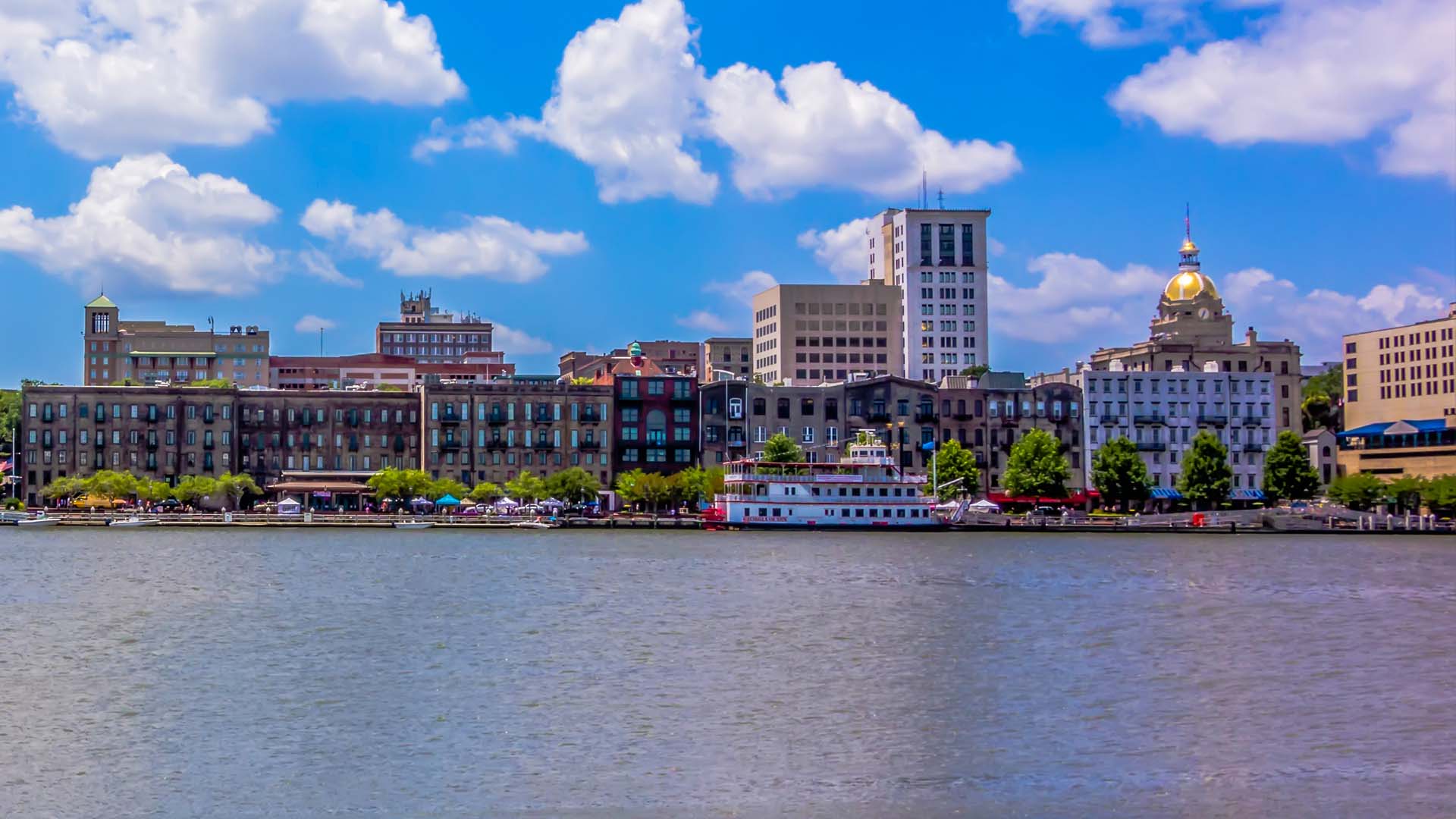
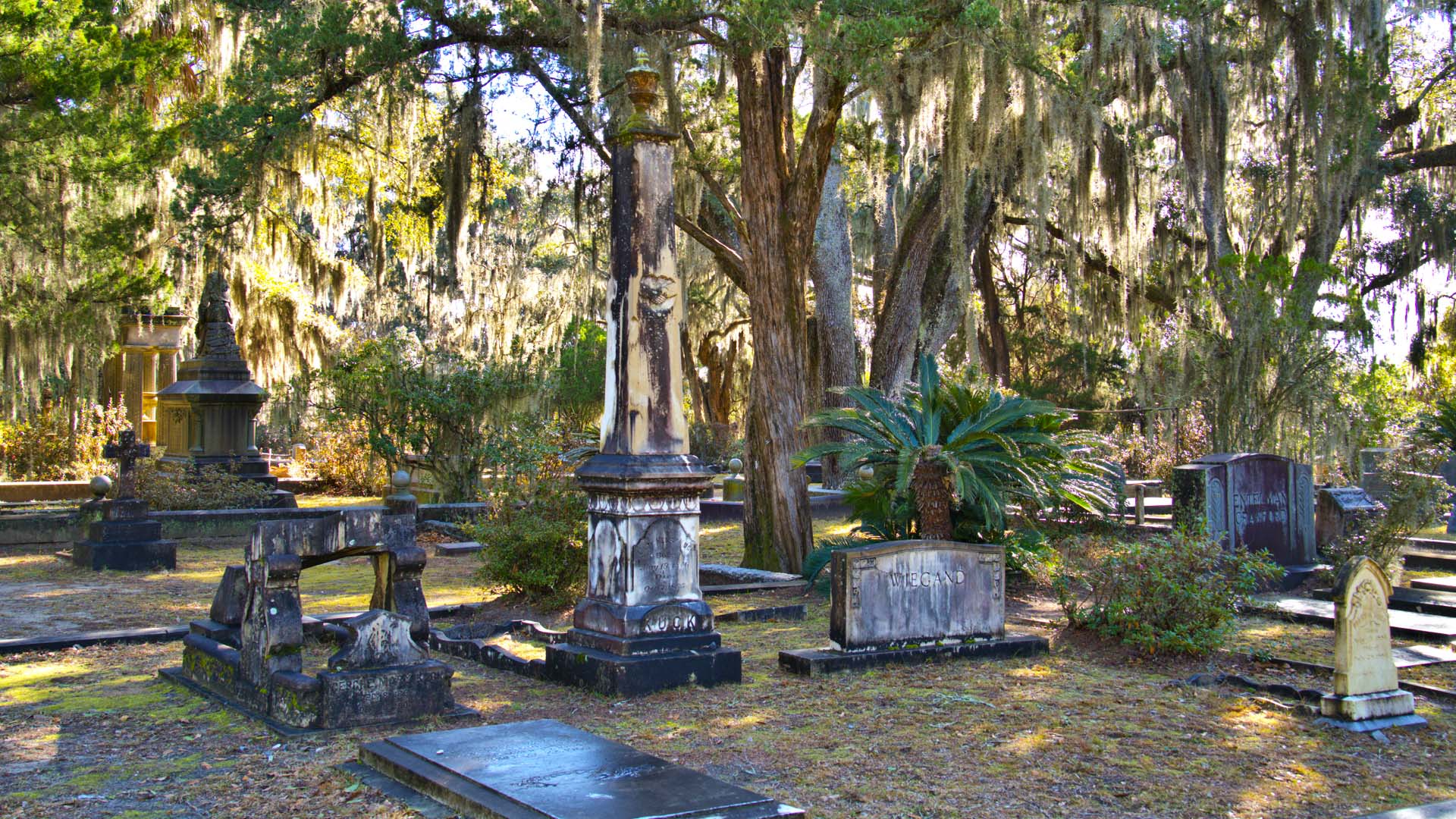
The Historic District Savannah sits in the heart of downtown and follows the plan created by General James Oglethorpe in 1733. It stretches from the Savannah River in the north to Forsyth Park in the south. The east and west boundaries extend from E. Broad Street to Martin Luther King Jr. Boulevard. Within these streets are more than 20 public squares, each with statues, gardens, and historical markers that make it easy to navigate the Historic District Savannah.
The Best Way to Explore the Savannah Historic District
Exploring the Savannah Historic District is best done by starting at the American Prohibition Museum. Located in City Market, this attraction offers a direct, engaging way to learn about the city’s past while standing in the center of the historic area. It serves as the perfect starting point for your walk through Oglethorpe’s historic grid of squares.
Start your Historic District tour with the American Prohibition Museum
- Central Location: Start your walk directly from the American Prohibition Museum inside historic City Market.
- On-Site Cocktail Access: Gain entry to Congress Street Up, a 1920s speakeasy located right inside the museum.
- Costumed Guide Interactions: Learn local history from costumed guides who bring the dry era to life.
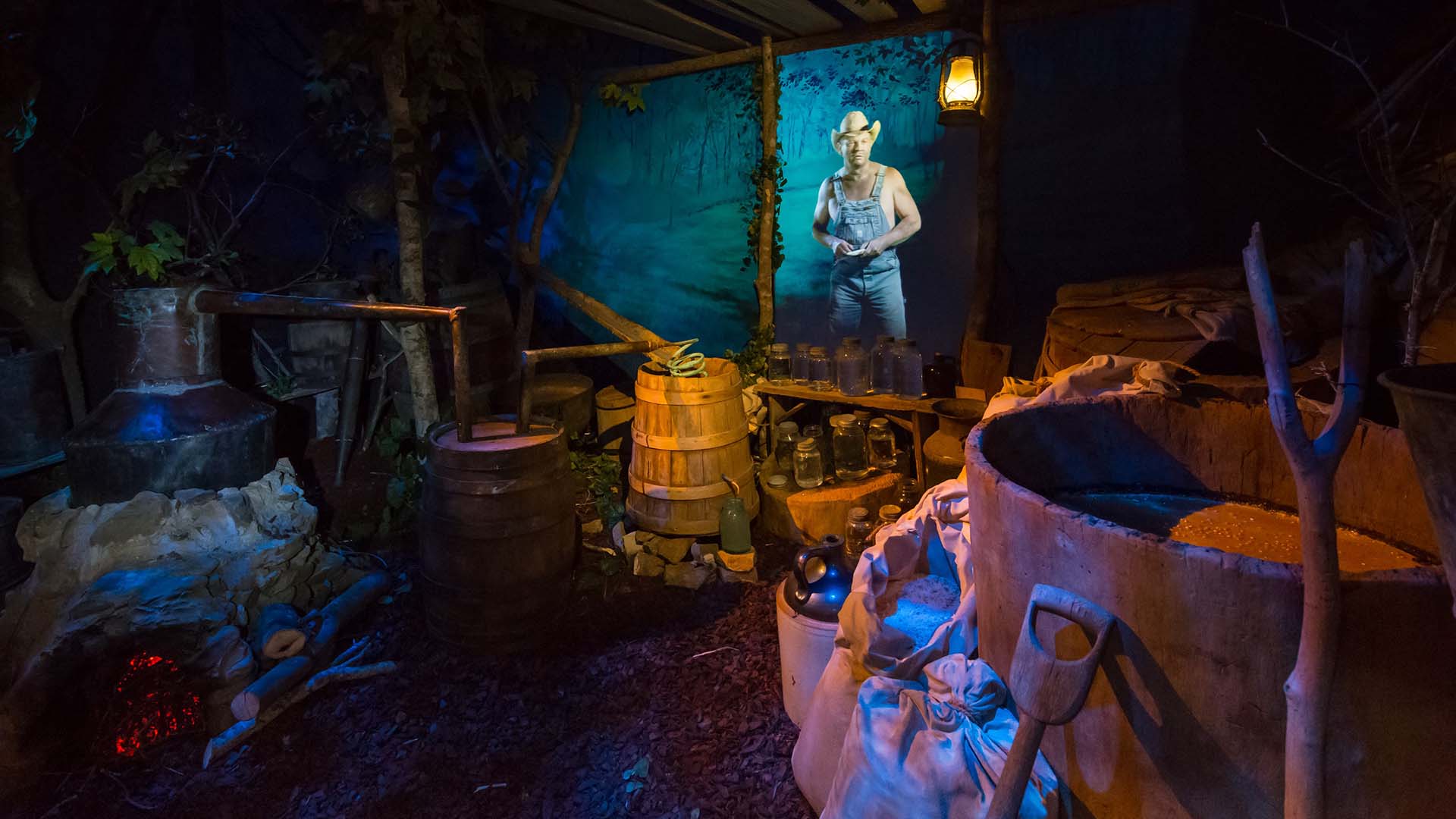
- Step Back in Time: View over 200 real artifacts, vintage cars, and moonshine stills.
- Easy Partner Tour Connections: Hop on nearby Old Town Trolley Tours to travel to other district landmarks like Forsyth Park.
Key Features of Your Savannah Historic District Visit
- American Prohibition Museum: Located at 209 W. St. Julian Street, this museum stands as the only US museum fully dedicated to the history of the Prohibition era.
- The Historic Grid of Squares: Walk through 22 public squares filled with historic homes, statues, and gardens directly surrounding City Market.
- Old Town Trolley Tours: Ride the trolley to see other key district landmarks, including Forsyth Park and the Cathedral of St. John the Baptist.
- Ghosts & Gravestones Tour: Experience the eerie history of the district on an evening trolley ride to haunted spots.
- Congress Street Up Speakeasy: Try a classic 1920s cocktail mixed by costumed bartenders inside the American Prohibition Museum.
Savannah Historic District Visitor Guide
What Is Daily Life Like in the Historic District Savannah?
The Historic District Savannah is a place where history and daily life come together. Small cafés, art galleries, and shops fill the corners of the neighborhood. You can hear the sound of church bells, the roll of carriage wheels, and people talking as they walk through the squares. Every block feels connected by the city’s easy pace and friendly atmosphere.
There’s always something happening in the Historic District Savannah. Each spring, the Savannah Music Festival fills the city with musicians from around the world, and March brings one of the country’s biggest St. Patrick’s Day Parades. In the fall, the Savannah Film Festival lights up local theaters with premieres and events. During the holidays, sparkling lights hang from the trees in Forsyth Park and horse-drawn carriages carry guests past decorated homes that glow in the evening air.
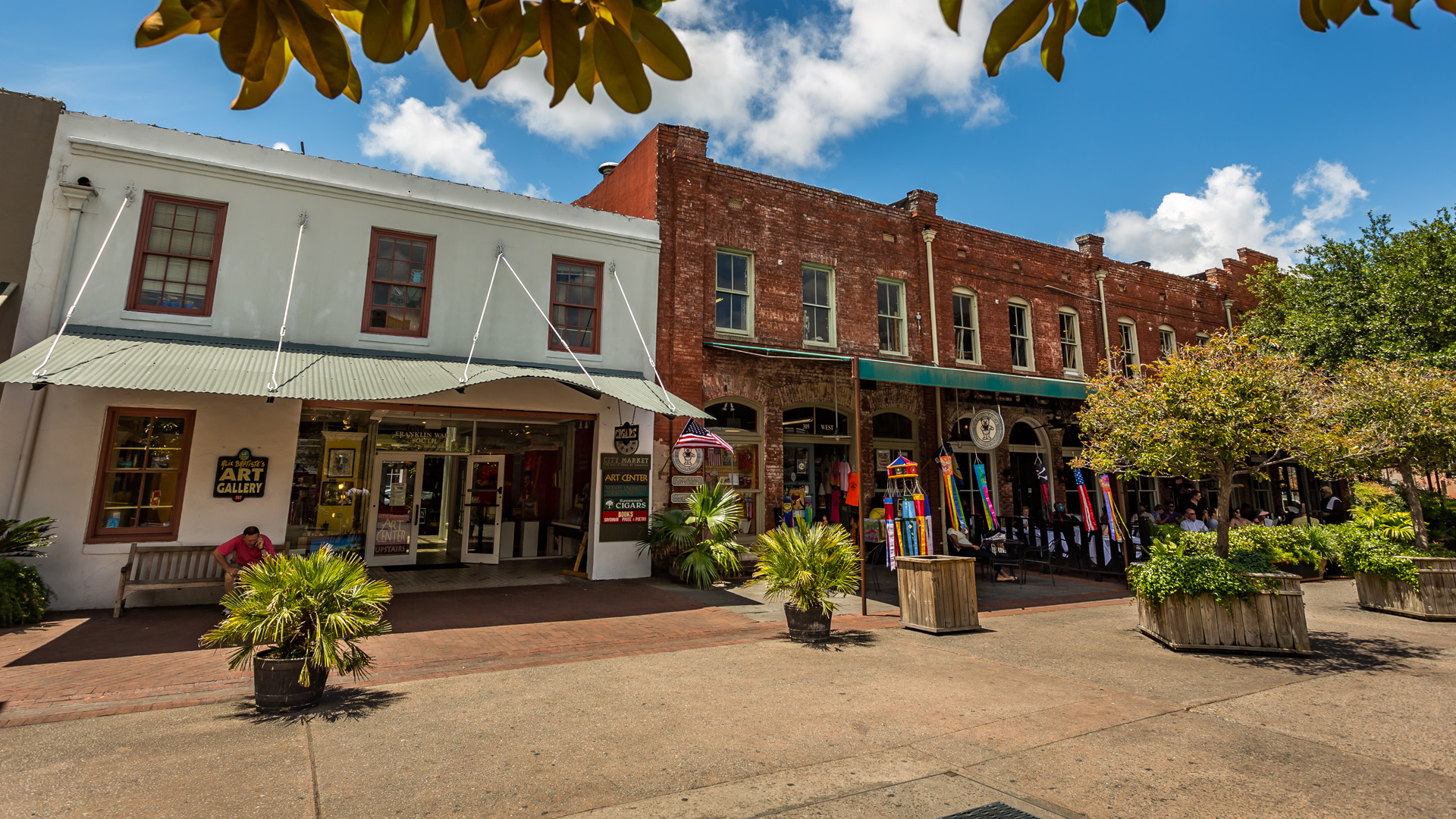
Weekends show Savannah at its most relaxed. The Forsyth Farmers’ Market opens early with fresh fruit, bread, and coffee. Locals and visitors stroll through the park, talk with vendors, and enjoy breakfast in the shade. City Market stays lively with live music and outdoor tables where people gather to eat and listen. Just a short walk away, River Street offers restaurants, candy shops, and art galleries housed in old brick warehouses overlooking the river.
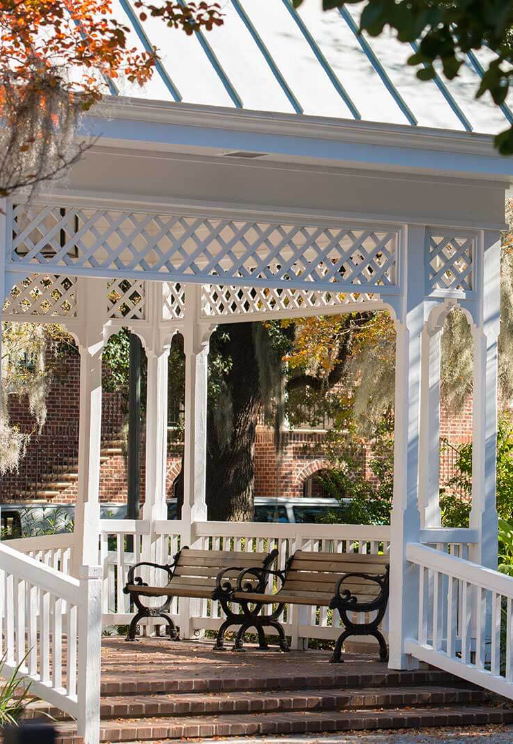
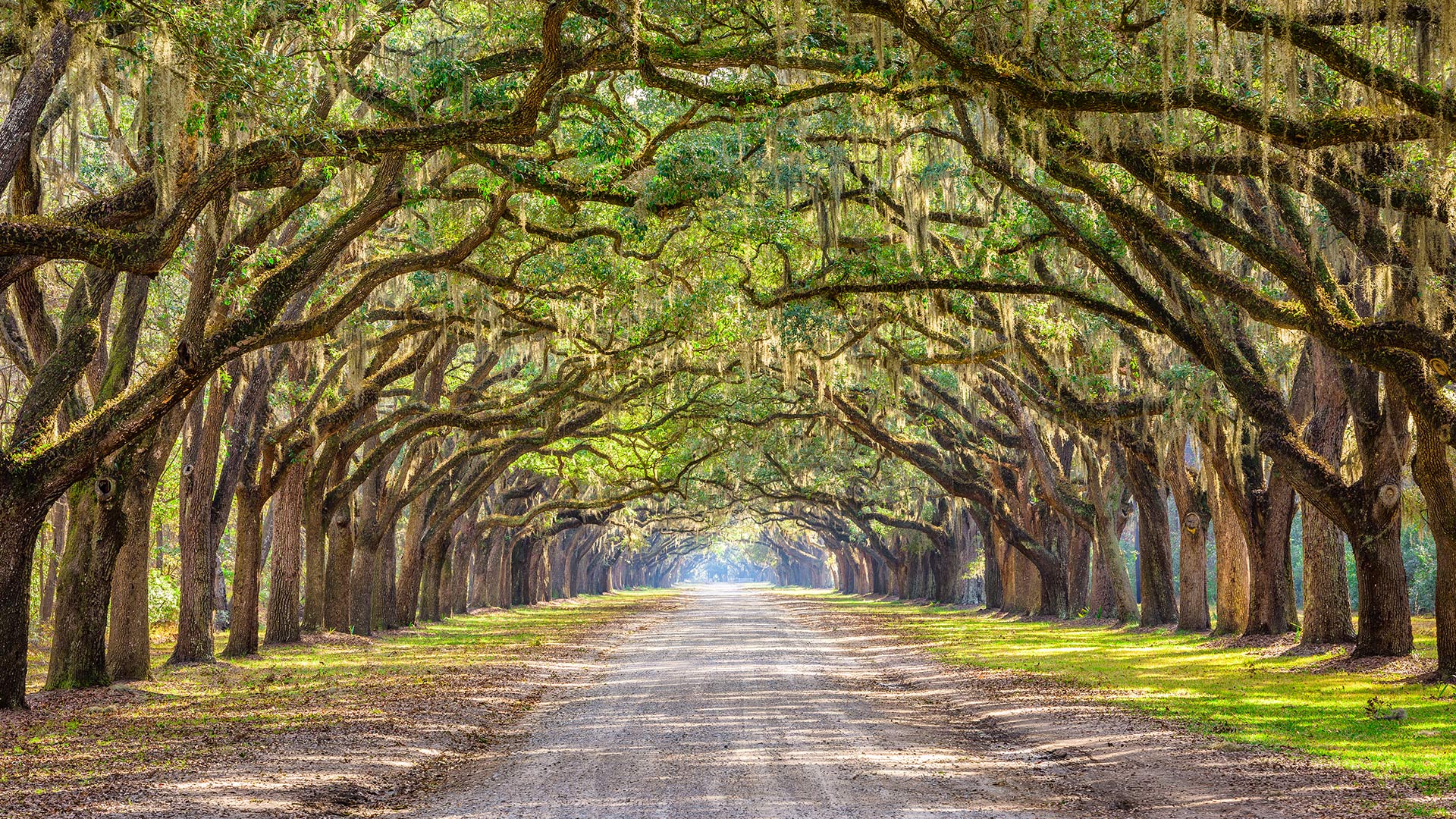
Every day in the Historic District Savannah brings something simple to enjoy. You can walk beneath oak trees, browse local shops, or pause on a bench and watch the city move around you. With its mix of old buildings, live music, and friendly people, the district captures Savannah at its most welcoming.
The Historic District Savannah stretches from the Savannah River to Forsyth Park, bordered by E. Broad Street and Martin Luther King Jr. Boulevard. It’s one of the largest National Historic Landmark Districts in the country. This guide explores how the district’s layout, culture, and dining bring Savannah’s past and present together.
What Is the Legacy of the Historic District Savannah?
General James Oglethorpe planned Savannah in 1733. The district is one of the best-preserved examples of early American city design. Its grid of 22 public squares was meant to build community and defense, and that layout still defines the city today. The Historic District Savannah protects 18th– and 19th-century homes in Gothic, Greek Revival, and Victorian styles. These buildings show the care locals have taken to preserve their history. Today, the district thrives as a center for art, festivals, and dining while staying true to its roots.
What Are the Must-Do Things To Do in the Historic District Savannah?
Exploring the Historic District Savannah is easy and fun, with plenty of ways to see its sights and learn about its past.
Tours: The Best Ways To Explore the Historic District Savannah
A ride with Old Town Trolley Tours® is one of the best ways to see the Historic District Savannah. The hop-on, hop-off service covers 15 stops, including River Street, City Market, and Forsyth Park. The friendly and knowledgeable guides share live narration filled with local stories and history that make each stop come alive. Guests can step off to explore the squares, grab a meal, or visit museums before rejoining the tour whenever they’re ready.
Walking tours are another great way to experience the Historic District Savannah. Some guides focus on the city’s African American history, sharing powerful stories at sites like the Haitian Monument and the First African Baptist Church. These smaller tours allow visitors to take their time and really connect with the city’s past.
Savannah’s flat streets and scenic layout also make it easy to explore by bike. Rentals and bike-share stations are available across the district, and the quiet pace lets riders stop often for photos or to enjoy a shady square. It’s a peaceful way to take in the city’s architecture, gardens, and historic landmarks.
Museums and Attractions
The Historic District Savannah is home to several museums that share the city’s unique history. The American Prohibition Museum®, located in City Market, is the only museum in the United States dedicated entirely to the Prohibition era. Inside, exhibits tell the story of gangsters, bootleggers, and rumrunners, while a restored speakeasy called Congress Street Up serves 1920s-inspired cocktails.
The Webb Military Museum displays an impressive private collection from Gary Webb, featuring military uniforms, weapons, medals, and even a jacket once worn by entertainer Bob Hope. Families often enjoy the Savannah Children’s Museum, an indoor and outdoor learning space built within the walls of an old train station. Another new highlight is the Savannah Pirates and Treasure Museum®, where visitors can explore tales of seafaring life, shipwrecks, and buried gold through interactive exhibits.
The Eerie Side of the Historic District Savannah
Known as one of America’s most haunted cities, Savannah’s ghost stories are a big part of local culture. The Ghosts & Gravestones® Frightseeing® Tour invites guests to explore this eerie side of the Historic District Savannah. Aboard the Trolley of the Doomed, riders hear tales of haunted homes, mysterious legends, and real events that shaped the city’s past. Stops often include famous sites like the Andrew Low House, where guides share chilling accounts tied to Savannah’s history.
Picture-Perfect Key Sights
The Historic District Savannah is filled with beautiful spots worth visiting and photographing. The Cathedral of St. John the Baptist stands out as one of the top historic sites in the country, admired for its tall spires and stained-glass windows. The Gingerbread House, with its detailed woodwork and steamboat-style design, is a favorite for architecture lovers and event photographers. Visitors looking for modern art can stop by Liquid Sands Gallery, where artists display handcrafted jewelry and glass sculptures.
For a bit of fun, visitors can take a photo beside the bright Ford Model A parked in front of the American Prohibition Museum. It’s one of the most recognizable photo spots in the Historic District Savannah and a favorite for travelers who want a unique souvenir of their visit.
Where Can I Dine, Stay, and Shop in the Historic District Savannah?
The Historic District Savannah is full of restaurants that celebrate southern cooking. Belford’s serves seafood and steak in City Market, and The Old Pink House remains a favorite for Lowcountry cuisine. Crystal Beer Parlor combines comfort food with a historic setting, and Little Duck Diner adds a fun twist to traditional meals. From fried green tomatoes to shrimp and grits, the Historic District Savannah offers flavors that reflect its history and warmth. Many chefs use Georgia shrimp, collard greens, and sweet potatoes to bring authentic regional taste to every dish.
Crystal Beer Parlor and the Congress Street Up speakeasy both highlight the city’s connection to the Prohibition era. Congress Street Up, above the American Prohibition Museum, serves elegant cocktails inspired by the 1920s, while Crystal Beer Parlor remains a favorite neighborhood hangout.
Exploring the Historic District Savannah also shows the city’s creative side. The area is filled with small shops, galleries, and local boutiques. Many shop owners are lifelong residents who share stories about their work and the city’s traditions. It’s easy to spend an afternoon browsing and finding handmade items that capture Savannah’s charm.
Along River Street, old brick warehouses have become shops filled with handmade goods, local art, and sweets like pralines and pecans. Many stores feature products made by Savannah artists, from candles to ceramics. City Market is one of the most popular gathering spots, known for its open-air layout and easygoing energy. Guests can shop, watch artists at work, or listen to live music in the square.
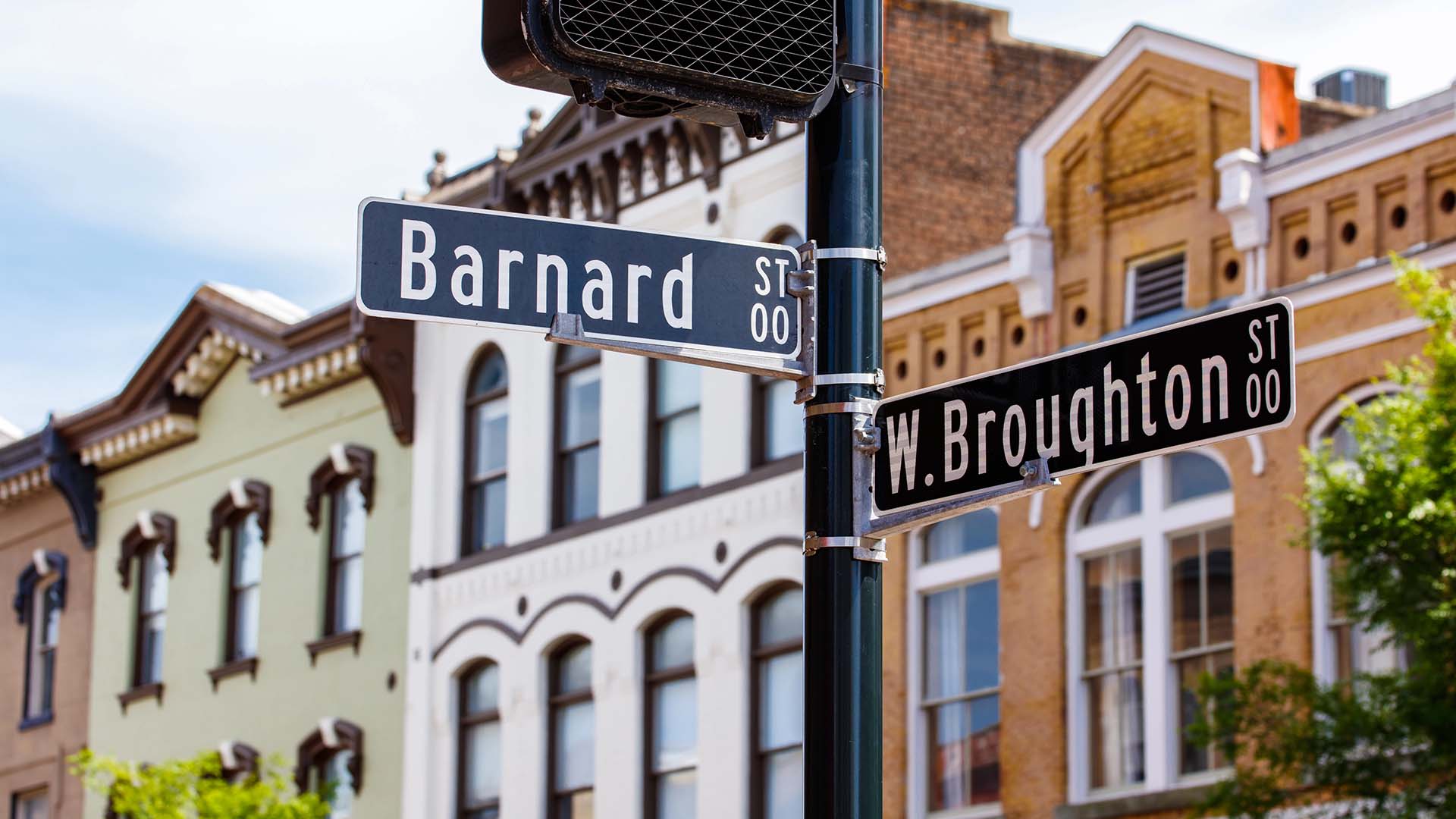
Bull Street and Broughton Street are the heart of shopping in the Historic District Savannah. Visitors find a mix of well-known brands and local businesses that have been around for generations. Clothing stores, antique shops, and bookshops sit next to galleries featuring art by Savannah College of Art and Design students. The mix of old and new makes shopping here feel like finding a piece of Savannah’s story in every storefront. Stopping for a coffee or pastry between shops adds to the relaxed pace that defines life in the Historic District Savannah.
Why Should You Visit the Historic District Savannah?
The Historic District Savannah brings together the city’s history, beauty, and culture. A day here might include a visit to a museum, a trolley ride through historic landmarks, or lunch in one of the city’s oldest restaurants. As evening falls, the squares glow in soft light while music drifts from cafés and bars. Carriage rides, street performers, and outdoor dining create an atmosphere that shows why the Historic District Savannah is one of Georgia’s most loved destinations.
Visiting gives travelers a chance to experience the art, food, and hospitality that define Savannah. Every part of the district reflects the city’s long story and the people who keep its traditions alive. Many visitors say it feels like stepping into another time while still enjoying modern comforts. The mix of history and daily life makes people want to return again and again.

FAQS
Yes. Walking through the Historic District Savannah is one of the simplest and most enjoyable ways to explore. Visitors can take in the architecture of 18th– and 19th-century homes, visit Forsyth Park, and see monuments throughout the squares. City Market and River Street are great places to window-shop or listen to live music without spending anything. The district’s open spaces and river views make it easy to enjoy a full day of sightseeing for free. Local events such as outdoor art shows and live performances often take place throughout the year, adding even more value to a casual stroll.
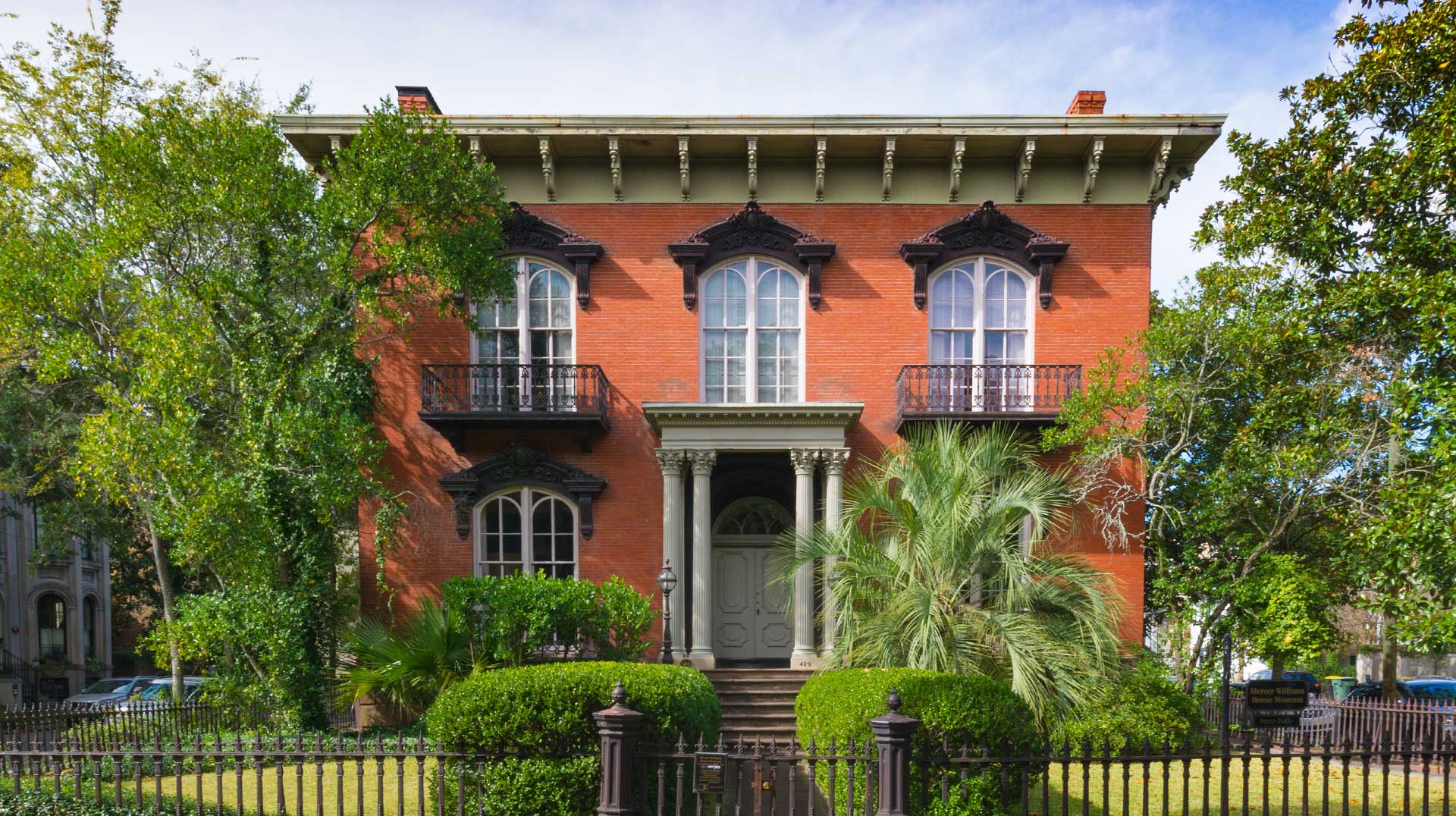
The Cathedral of St. John the Baptist stands as one of the most photographed landmarks in the Historic District Savannah. Built in the late 1800s, it features tall spires, stained glass, and a rich history tied to the city’s earliest European settlers. Visitors often include it on walking tours or Old Town Trolley Tours, which highlight other well-known stops such as Forsyth Park, the Juliette Gordon Low Birthplace, and the Mercer Williams House Museum. Each location adds to the story of how the Historic District Savannah became one of the country’s most recognized heritage areas.
Yes. Families can spend the day at the Savannah Children’s Museum, explore hands-on exhibits at the Georgia State Railroad Museum, or take a ride on Old Town Trolley Tours with live narration from friendly and knowledgeable guides. Older kids often enjoy the Ghosts & Gravestones Frightseeing Tour, which shares the legends that earned Savannah its haunted reputation. The open parks and squares also give children plenty of space to play while adults enjoy the views and history of the Historic District Savannah.
The Historic District Savannah offers many restaurants that celebrate southern cooking. Belford’s serves classic seafood and steak dishes in City Market, and The Old Pink House continues to be a favorite for Lowcountry cuisine. Crystal Beer Parlor combines comfort food with a historic setting, and Little Duck Diner adds a creative twist to traditional meals. From fried green tomatoes to shrimp and grits, the Historic District Savannah delivers flavors that reflect its history and hospitality. Many chefs use local ingredients like Georgia shrimp, collard greens, and sweet potatoes to bring an authentic taste of the region to every dish.